


Blog / Waldorf Cadillac Service

Blog

All Waldorf Cadillac Service Chevrolet Near Waldorf In Waldorf Vehicle Tips Waldorf Cadillac Dealer Cadillac Service Waldorf Chevrolet Cadillac Service Equinox Buying a Car Truck Waldorf Chevrolet Dealer Blazer History & Culture Vehicle Comparison Air Conditioning Carbon Black Package Corvette CT6 Leasing a Car Traverse
Number badge retro design elements background.

Received a Recall Notice? Here’s Your Next Step

Your safety on the road is crucial – but what steps should you take if your vehicle is recalled? A recall is not something to ignore! Stay ahead of the game with our simple, step-by-step guide. What Is a Recall? When there’s a recall, the National Highway Traffic Safety Administration (NHTSA) determines if a vehicle does not meet motor vehicle safety standards. Manufacturers are then required to file a report including details of the vehicle, the number of vehicles affected, equipment affected, a description of the defect, what led up to the decision to recall, an explanation, and a recall schedule. Registered owners must receive a recall notification from manufacturers by first-class mail within 60 days of the recall instructing owners on how to get the issue fixed, the time frame of the fix, and how long the repair should take. Checking For a Recall According to the NHTSA website, searching by license plate is one of the newest and best ways to check for a recall. While manufacturers must notify registered vehicle owners in 60 days, physical mail can be unreliable. If you have suspicions of a recall or have seen news concerning a potential recall on your car’s make and model, searching the NHTSA website for a recall through your car’s license plate or Vehicle Identification Number (VIN) is the easiest and most efficient way to stay safe. What To Do When Your Car Is Recalled? Once you find out if the recall applies to your vehicle or parts, there are three options: repair, replace, or refund. By law, the manufacturer must choose one of the three options to correct the issue. If the manufacturer has chosen repair, your vehicle or part must be repaired by the manufacturer at no cost to the vehicle owner. Replacement means that if the problem can’t be fixed, the manufacturer must provide you with another similar or identical model. A refund option involves the manufacturer refunding the purchase price of your vehicle, minus depreciation. These options also apply to accessories such as car seats. Your recall letter or warning should notify you if your car is too dangerous to drive. Regardless, the recall issue should be resolved immediately by taking your vehicle to a local authorized dealership matching the make of your car. Remember, the bigger the recall, the longer the waitlist for an appointment. How to Book a Recall Repair Appointment at Waldorf Chevrolet Cadillac Recalls must be done at dealerships for recording purposes, quality monitoring, and making recalled parts available to manufacturers for inspection. While the NHTSA gives manufacturers a grace period for repairs to be made available after a recall, you should contact your local dealership to book an appointment as early as possible to beat the crowds. Establishing a friendly relationship with your local registered dealership can pay off during a difficult recall period! Has your vehicle been recalled? Call Waldorf Chevrolet Cadillac immediately to book your recall repair appointment and ensure your vehicle functions to its intended safety guidelines and performs its best. Our team is happy to help, from minor service to full recall assistance!


Your Spring Checklist: Five Things to Address First

Spring is finally here, and it’s a literal breath of fresh air in more ways than one. At long last, it’s time to leave the familiar confines of home behind and embark on outdoor adventures. Of course, before you can do so, you need to make sure your vehicle is in a proper state to get you to your various spring destinations. Courtesy of Waldorf Chevrolet Cadillac, here’s a handy checklist of what components need inspecting before you put your vehicle back on the road. Though they’re listed by approximate order of importance, make no mistake that each is vital to your vehicle’s short and long-term health. 1. Battery Your battery runs a greater risk of depletion during colder months, so the first thing you want to do when the weather warms up is make sure your battery is along for the ride. Although the average car battery lasts between four and five years, it drains at a much higher rate in extreme cold and heat. That makes spring the logical time for a battery diagnosis, to see if it needs replacing before the summer arrives and starts to sizzle. 2. Fluids As surely as you spent the winter throwing back hot cocoa, your vehicle was guzzling through its own fluids. Consider an oil change if you haven’t done so since last summer, changing your oil’s viscosity to a heavier weight for the warmer weather ahead. Keep your engine oil full to keep your engine protected and functioning normally. Refill your brake fluid, steering fluid, and coolant accordingly. Lastly, top off the windshield fluid: if not empty, it’s probably nearly spent from combatting sleet, salt, and other winter build up. 3. Tires Just as batteries are more susceptible to drainage during colder months, your tires stand a greater chance of deflation. For every 10 degrees the temperature drops, your tires could lose a full PSI. If you swapped out for winter tires last year (and bravo if you did), now is the time to make the switch back to summer tires. If you’re rolling with the same tires, make sure to measure your air pressure pronto. Look for your tires’ recommended PSI levels on the sticker inside your driver’s door and inflate accordingly. 4. HVAC System If you had the heat in your car running continuously throughout the winter, that means the same system that controls your air conditioning hasn’t been taking time off. Make sure you have cool air coming out of your vents before temperatures really start simmering. Refill your coolant until it reaches its appropriate levels. Lastly, replace your cabin air filter, as it’s likely accumulated a good deal of dust, dirt and debris during the winter. 5. Wiper Blades Your windshield is often working overtime to maintain visibility during the winter. Between snow, ice, frost, and salt, there's more than enough to keep your blades occupied. As the rainy spring season approaches, take this time to install a set of well-functioning, seasonally appropriate blades. Checkmate If you’ve checked off all five items from your list, congratulations! Your vehicle is officially spring-certified. And if you need help with any part of your checklist, fear not: Waldorf Chevrolet Cadillac’s certified service experts have you covered. From tire rotation and alignment to brake service and oil filter changes, we’re your one-stop shop for all your maintenance needs. So put a spring in your step and get down to Waldorf Chevrolet Cadillac today; we’ll make sure you have the means to get to the various adventures that await you this spring and beyond.

W Chevy - December 27

New Year's Resolutions for Your Car

We’re heading into a New Year, and almost everyone is thinking of a way to improve their life, whether with fitness, organization, or even managing finances. But what about bettering your automobile? Your vehicle is most likely one of your most valued and relied on possessions, so, why not take every measure to ensure you’re keeping it in tip-top shape throughout the year? Here are a few ideas for New Year’s Resolutions, specifically for your automobile: Keep up with your routine maintenance. Your vehicle’s routine maintenance is one of the easiest things to overlook—whether it’s not having the time to have maintenance addressed, or the money. Although it’s easy to neglect, it’s also one of the most important aspects of your vehicle’s longevity and can help you save money and time, in the long run. Schedule an appointment with our Service Department to have your routine maintenance addressed. Keep your vehicle’s interior and exterior clean. Although it’s tough to maintain the cleanliness of your vehicle, especially in the colder months, you may feel better if you do. Having a clean vehicle may help reduce stress, especially if your vehicle tends to get cluttered easily. Keep up with your neglected maintenance. Have a rattling noise that’s been driving you crazy for a while, but haven’t had it looked at yet? Bring your car in for Service, and let our experts help you pin-point the problem, before it becomes a bigger problem. Schedule regular check-ups. Just like your physical health, it’s important to keep tabs on your vehicle’s health. Schedule regular appointments to have your car checked, to ensure everything is in working order.

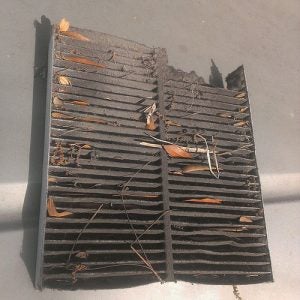
Cabin air filter that is dirty with leaves and dust.

3 Signs Your Cabin Filter is Clogged

It’s not just important to choose the best car for you and to have a dealership and mechanic you can trust. It’s also important to give your car the maintenance it requires. Doing so can help maintain the smooth operation of your favorite vehicle, while also prolonging its life on the road. One part of your car that should be regularly maintained is the cabin filter. If it’s clogged, your interior air quality can plummet. But how do you know if it’s clogged? Here are three signs that your cabin filter is clogged so that you’ll know too. 1.  There’s Little Flow The cabin filter is, essentially, a component of the air conditioner structure in your car. It’s also known as the air-conditioning filter and is often comprised of a paper or cotton-type material.   In its ideal state, it helps to clear pollutants from the air before enter your interior cabin space. Also, filters can help keep the air conditioner in good shape. more If you’re in the car for a good, long drive, and you notice the air doesn’t seem to be moving no matter how high you crank the AC, it could be a sign that the filter is clogged. The lack of freely moving air reveals there’s too much guck blocking the filter pathways. If you feel stagnating air, consider taking your filter in for a change or at least a check. This is also true if there’s slow air flow even at lower fan settings. If you need to turn the fan higher to meet your needs, this alone could be a sign that it’s time for a filter change. 2. Dust Another sign is is that you’re seeing more than the usual amount of dust and debris inside your car. True, some of that could be a natural degree of pollutants — but it could also be the gunk that’s been in a clogged filter, now airborne in your car. In this scenario, the AC system is pulling air through and around the filter. 3. Less Vehicle Power Believe it or not, your cabin filter can affect your AC system, and the AC can have a strong impact on the power of the entire vehicle. If your filter is clogged, then you might have to turn up the AC. The harder your AC works, the more the engine does, too. The drive train, alternator, and all other essentials in your car’s workings might get less of the energy they need. When these horsepower-generating parts suffer, you might feel that the vehicle is just not up to snuff. While this is not great news, look on the bright side: If your car seems slow, this might not be a major mechanical problem, but something as simple as a clogged filter, which is easy to change. Cabin air is important not only for the long-term maintenance and performance of your vehicle but also for the health of all the passengers. Breathing in clean, fresh air is important, especially on long drives, and particularly on cold or rainy days when you don’t want to open the windows. To be on the safe side, be sure to get the cabin filter checked, or have it changed at regular intervals. Get Your Vehicle Serviced at Waldorf Chevy Today Getting your vehicle serviced at Waldorf Chevrolet in Waldorf, MD means putting your car in the hands of trusted, factory-trained technicians who prioritize quality, efficiency, and customer care. Whether you need routine maintenance like oil changes and tire rotations or more in-depth repairs, the service department is equipped with the latest diagnostic tools and genuine GM parts to ensure your vehicle runs smoothly and safely. With convenient scheduling options, competitive pricing, and a comfortable waiting area, Waldorf Chevrolet makes servicing your vehicle a stress-free experience tailored to your needs. " It was definitely time to replace the cabin air filter on the Sentra. " by sylvar is licensed by CC BY 2.0

W Chevy - January 6.jpg

Stay Safe Behind the Wheel this Winter Season

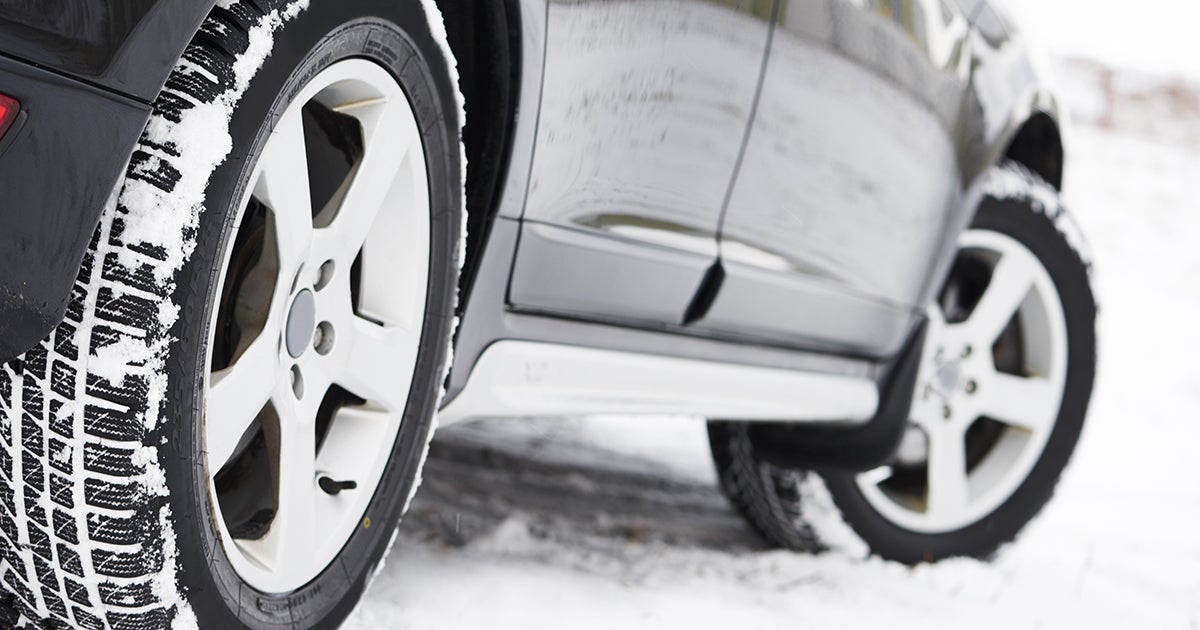
It’s December, which means snow, sleet, and ice in our area can arrive at any time. We thought it might be useful to share some tips for driving in winter weather, especially if you're traveling out of town for the Holidays! Accelerate and decelerate slowly. Be sure that you gradually ease into the gas or break when the roads are slick, to avoid spinouts. Drive slowly. Even if the roads aren’t terrible, black ice paired with speed can be a recipe for disaster. Be sure to slow down and take your time when the temperature is below freezing. Increase your spacing between yourself and the vehicle in front of you. Allow for plenty of stopping room, in the event that your car begins to slide. Test your brakes before you get out on the roadway. Come to a few harsh stops in your driveway, before you venture out, to test the road conditions and your brakes with the slippery roads. If you can avoid it, don’t come to a complete stop. If you can safely coast through an intersection without having to come to a stop, or to make a turn, you’re likely to keep traction longer than if you stop completely. Slow and steady wins the race. When faced with a hill, don’t hit the gas too fast and try to gain too much speed. Take your time, drive slowly and steadily until you reach the top of the hill. If you can avoid it, stay inside. Allow road crews to treat the roadways before you get behind the wheel. Driving in winter weather can be frightening, especially if you don’t do it very often. Take these tips along for the ride, and stay safe, if you can’t stay off the roads. Contact us today to set up an appointment with our Service Department, to ensure your car is ready for the quickly approaching winter weather!

A Step-By-Step Guide to Changing Your Own Oil

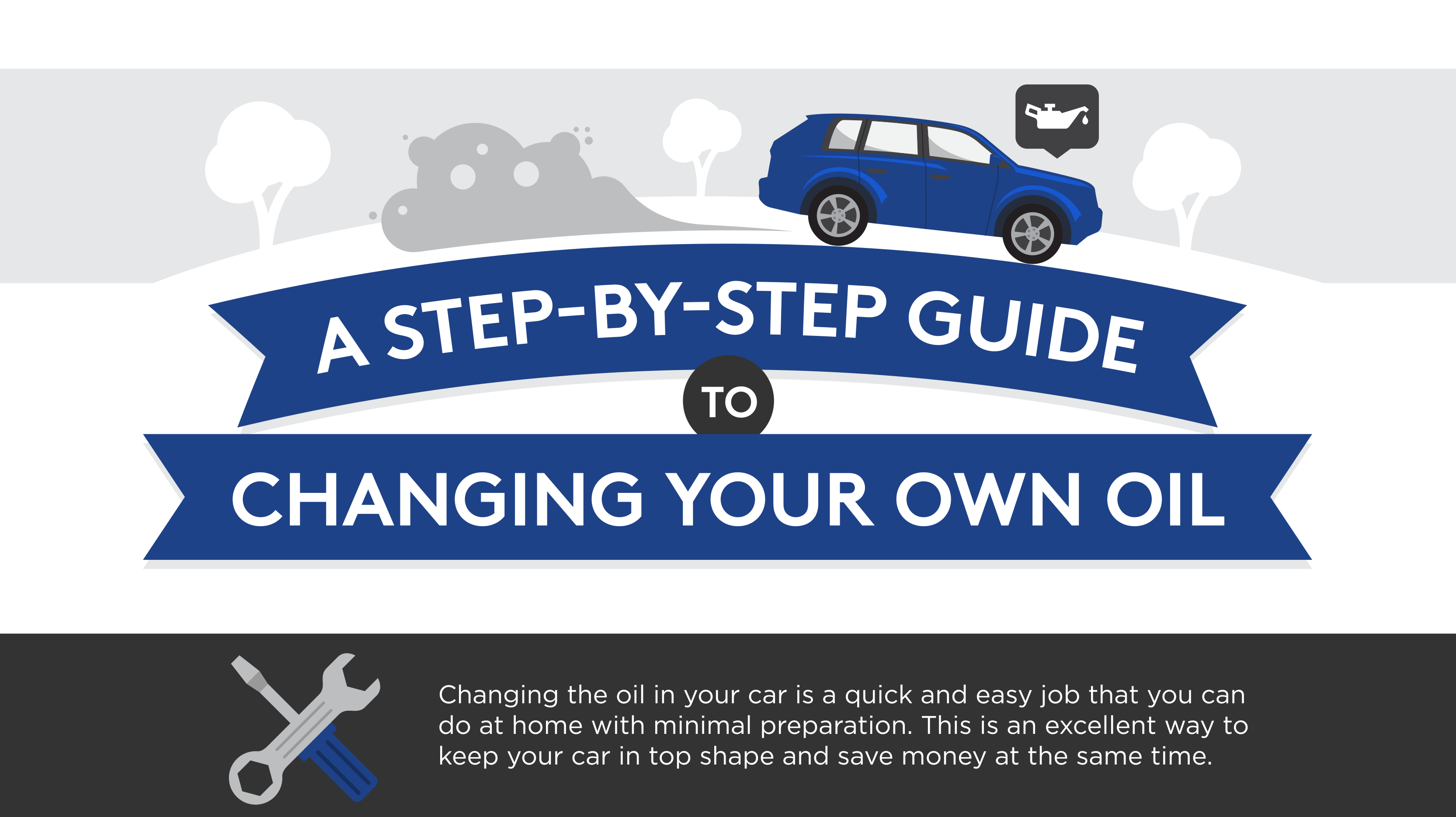
A Step-By-Step Guide to Changing Your Own Oil

W Chevy - November 20

Tips for a Seamless Thanksgiving Road Trip

Thanksgiving is just around the corner, along with the busiest travel holiday of the year! If you’ve traveled on this holiday in the past, you know that planning is key to a seamless, relaxing trip, and we’ve got just the list to keep you organized this year! Stay Connected – Download the latest travel apps for your phone before you hit the road—Spotify is a great channel for music, Waze will help with traffic, and Citymapper will be your best-bet for navigation! Travel Late or Early – Instead of sitting in a huge mess of traffic this year, leave in the middle of the night, or early in the morning to avoid traffic jams—you’ll get to where you’re going much faster, and your passengers will thank you… especially if you have kids! Pack Wisely – Make sure to bring temperature-appropriate clothing, shoes, and coats, especially if you’re heading north or to the mountains! Have Your Car Serviced – Make sure that all of your fluid levels are topped off, your brakes, lights work properly, and that your car is up to date on all routine maintenance including oil changes and tires. Contact our Service Department to set up an appointment to have your car prepared for your road trip! Have Travel Documents on Hand – Be sure to carry your Insurance Card, Roadside Assistance information, and any other vital information, in case of emergency. Make All Stops at Once – If you have children, it might be challenging trying to travel with the constant stopping for bathroom breaks, food, and drinks, but, if you stop in a place where you can use the restroom, grab a sandwich and a bottle of water, all in one place, you’re guaranteed to save time instead of loading and unloading everyone into and out of the car at each place. Visit us online to schedule your appointment with our Service Department, to ensure your vehicle is up-to-par for your Thanksgiving travel. Buckle up, and enjoy the ride!

3 Most Common Causes of Summer Breakdowns

3 Most Common Causes of Summer Breakdowns

The hot summer months tend to put more strain on various components of your car than any other time of year. Many drivers think that winter is the worst time for cars, but the heat, dry temperatures, and often increased driving can all contribute to a higher number of summer breakdowns. Keep yourself safe on all of your summertime adventures by understanding what causes cars to break down in the summer and taking steps to avoid these issues. more Overheating When it's hot outside, your engine is at higher risk for overheating. If the engine gets too hot, it could burn out critical components and cause damage beyond repair. There are several ways to protect against overheating. Start by checking the water level in the engine, but only do so when the engine is cool. While you're checking fluids, top off the power steering fluid, oil, and washer fluid as well. You'll also get an indication of overheating when you look at the dashboard. The recommended temperature is in your manual, but you could notice a red warning light or that the needle is starting to rise. If the engine overheats, pull over immediately to allow it to cool down before continuing to drive. Dirty Oil Your engine relies on oil for lubrication and cooling. Over time, deposits from the engine can fall into the oil reservoir. Getting your oil changed regularly is one of the best ways to protect your car from overheating and damage. During an oil change, the technician will remove all the dirty oil from the engine. The next step is replacing the oil filter, which can help keep debris out of the oil lines and reservoir. Finally, the technician will replace the oil to the recommended level, ensuring proper cooling and lubrication of the engine. Check your owner's manual to find out how often the oil should be changed. Tires While a blown out tire doesn't necessarily mean your car has broken down, experiencing this problem can put your car out of commission until you can get a new tire. The outdoor temperature has a significant impact on the tire pressure, and when the pressure gets too high, you're more likely to have a blowout while you're driving. Going over hot sections of road can also impact the safety of your tires. Keep a close eye on your tire pressure all summer long by checking it every time you get gas. Consult your owner's manual or the sticker on the inside of the driver-side door to make sure your tires stay at the right pressure for the hot temperatures. When you check the pressure, take a visual inspection of the tire condition as well. The tread should be at least 2 mm in thickness, although it's better to be closer to 5 mm. Stick an upside-down penny between the tread sections for a simple safety test. If you can see President Lincoln's hat, it's time for new tires. Stay safe on your summer road trips by making sure your car can handle the heat.

Contact Us

Fill out this form below and we'll contact you shortly
*Required Fields