Blog / Vehicle Tips

3 Signs Your Cabin Filter is Clogged

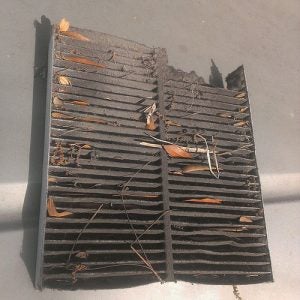
Cabin air filter that is dirty with leaves and dust.
It’s not just important to choose the best car for you and to have a dealership and mechanic you can trust. It’s also important to give your car the maintenance it requires. Doing so can help maintain the smooth operation of your favorite vehicle, while also prolonging its life on the road. One part of your car that should be regularly maintained is the cabin filter. If it’s clogged, your interior air quality can plummet. But how do you know if it’s clogged? Here are three signs that your cabin filter is clogged so that you’ll know too.

1. There’s Little Flow

The cabin filter is, essentially, a component of the air conditioner structure in your car. It’s also known as the air-conditioning filter and is often comprised of a paper or cotton-type material. In its ideal state, it helps to clear pollutants from the air before enter your interior cabin space. Also, filters can help keep the air conditioner in good shape. If you’re in the car for a good, long drive, and you notice the air doesn’t seem to be moving no matter how high you crank the AC, it could be a sign that the filter is clogged. The lack of freely moving air reveals there’s too much guck blocking the filter pathways. If you feel stagnating air, consider taking your filter in for a change or at least a check. This is also true if there’s slow air flow even at lower fan settings. If you need to turn the fan higher to meet your needs, this alone could be a sign that it’s time for a filter change.

2. Dust

Another sign is is that you’re seeing more than the usual amount of dust and debris inside your car. True, some of that could be a natural degree of pollutants — but it could also be the gunk that’s been in a clogged filter, now airborne in your car. In this scenario, the AC system is pulling air through and around the filter.

3. Less Vehicle Power

Believe it or not, your cabin filter can affect your AC system, and the AC can have a strong impact on the power of the entire vehicle. If your filter is clogged, then you might have to turn up the AC. The harder your AC works, the more the engine does, too. The drive train, alternator, and all other essentials in your car’s workings might get less of the energy they need. When these horsepower-generating parts suffer, you might feel that the vehicle is just not up to snuff. While this is not great news, look on the bright side: If your car seems slow, this might not be a major mechanical problem, but something as simple as a clogged filter, which is easy to change. Cabin air is important not only for the long-term maintenance and performance of your vehicle but also for the health of all the passengers. Breathing in clean, fresh air is important, especially on long drives, and particularly on cold or rainy days when you don’t want to open the windows. To be on the safe side, be sure to get the cabin filter checked, or have it changed at regular intervals. Get Your Vehicle Serviced at Waldorf Chevy Today

Getting your vehicle serviced at Waldorf Chevrolet in Waldorf, MD means putting your car in the hands of trusted, factory-trained technicians who prioritize quality, efficiency, and customer care. Whether you need routine maintenance like oil changes and tire rotations or more in-depth repairs, the service department is equipped with the latest diagnostic tools and genuine GM parts to ensure your vehicle runs smoothly and safely. With convenient scheduling options, competitive pricing, and a comfortable waiting area, Waldorf Chevrolet makes servicing your vehicle a stress-free experience tailored to your needs.


"It was definitely time to replace the cabin air filter on the Sentra." by sylvar is licensed by CC BY 2.0
Posted in:

Related Posts

How to Keep Your Kids From Getting Carsick

How to Keep Your Kids From Getting Carsick

It's family road trip time! You packed the car and programmed the GPS. The kids brought plenty of games and electronics to stay busy. Mom filled the cooler with snacks and drinks so no one will go hungry. There's just one last thing you may have forgotten to figure out. How can you keep your kids from getting carsick? Car sickness, also known as motion sickness, occurs when the brain receives conflicting information from the inner ear, outer ear, eyes, and limbs. For example, if your child feels motion but isn't looking out the window to see the movement, that sensory disconnect can bring on motion sickness. Motion sickness commonly affects children while they are riding in cars. Symptoms include upset stomach, including nausea and vomiting, feeling dizzy, and excessive sweating. There are some things you can do to help your kids avoid getting carsick and enjoy long road trips. Make Sure Kids Drink Plenty of Water Dehydration can make children feel awful. Add in a long car ride and not drinking enough water can turn into car sickness. Make sure to pack plenty of bottled water in the cooler. Check that children are drinking enough to stay hydrated. Remember that drinks loaded with caffeine like sodas and energy drinks can make dehydration worse. more Keep Children Busy in the Car Watching the scenery go by is fun, but watching the movement out the window can lead to car sickness. Bring other activities for kids to focus on like books, videos, or games. For some children, the opposite is true. Looking out the window can help stop motion sickness, and reading can bring on car sickness. You can try playing music or suggest a nap to prevent motion sickness, too. Try different remedies to see which ones work for your kids. Change Seating Arrangements The center seat in the back seat may feel more comfortable for children prone to car sickness. Also, if your child no longer needs a child safety seat, try moving him to the front seat. Don't forget to check the manufacturer's air bag warnings to make sure it's safe for your child to ride in the front of the car. Avoid Stinky Snacks If you're grabbing burgers for lunch, hold the onions and avoid other foods with heavy odors. Stinky smells can aggravate motion sickness symptoms like nausea and dizziness. Provide Lots of Fresh Air Provide a cool breeze by keeping the windows open. If it's hot, be sure to turn up the air conditioner to keep the back of the car cool. Hot, stuffy air can make car sickness worse. Also, make frequent stops on long car rides to let kids get more fresh air and stretch their legs. Try Over the Counter Remedies If natural treatments don't work, you can try an over-the-counter remedy. Choose a brand that makes a strength and formula suitable for children. It's important to note that some ingredients in these medications can cause drowsiness. Keep road trips fun for the whole family. Try these tips to help keep your kids from getting carsick. You'll enjoy the ride more yourself knowing your little ones feel happy and healthy. " SpringBreak2017 (1257) " by anjanettew is licensed by CC BY-SA 2.0

Black tire. - Waldorf Chevrolet Cadillac

What's the Difference Between Snow, Summer, and All-Season Tires?

Not all tire are equal. Depending on the time of year, you should consider switching your tires to either snow, summer, or all-season tires to keep yourself safe on the road. Learn more about the differences among these tires and why it's so essential to make the switch every season. Snow Tires Snow tires are obviously meant for you to use in the cold, winter months. They're specially equipped to handle the unique problems facing drivers during wintry weather, such as black ice, freezing temperatures, and snowy roads. They provide this superior protection in several ways. more First, snow tires have different rubber than summer or all-season tires. These warmer-weather tires are made of stiffer rubber that freezes faster when the temperature drops. On the other hand, winter tires have more flexible rubber that stays malleable even when the temperature goes below freezing. This gives you more traction on the road. Second, snow tires come with deeper tread and different tread patterns. This prevents snow from getting stuck in the tread by channeling it away from the tire instead of compacting it. Finally, the treads also come with biting edges that provide additional traction on slippery surfaces. Summer Tires If you're looking for a high-performance tire, you'll probably want a summer tire. These tires typically come with larger tread blocks as well as a stiffer rubber, which gives you more traction and tighter control over steering in warmer weather. They also have less grooving in the tread, so more of the rubber is on the road at any given point. Generally, they're your top choice for speed and agility. Additionally, because summer tires have enhanced aspect ratios, widths, and rim diameters, they are better for driving in wet weather. You'll be able to enjoy better performance even when it's raining. All-Season Tires While they don't offer the high performance of summer tires or the cold-weather help of winter tires, all-season tires are a good option if you live in a mild climate or don't have the financial means to switch your tires during the year. They won't give you optimum performance in snow or ice or when making hairpin turns at top speeds, but they're adequate enough to keep you safe in most conditions. All-season tires come with moderate tread depths that are deeper than summer tires, meaning the tread will last longer. They also have the biggest variety of load capacities, models, speed ratings, and sizes, making them ideal for myriad vehicles. As for winter weather, they can provide you with enough traction to get by. However, if you anticipate bad weather, you're better off switching to winter tires. As you can see, choosing the right tires for your vehicle is essential for maintaining control while on the road. You never know what kind of conditions you might face, so be sure to switch your tires when it's seasonally appropriate. Wintry weather or heavy rainstorms can pop out of nowhere, so don't leave yourself unprepared. " New Tires " by kalebdf is licensed by CC BY-NC-ND 2.0

The dealership of Waldorf Chevrolet Cadillac.

4 Reasons to Buy a Dealership Demonstration Vehicle

A dealership demonstration vehicle, also known as a demo car, is a like-new vehicle that’s only been driven by dealership owners, their families, and employees. In most instances, the odometer only reaches between 2,000 and 6,000 miles, but since the vehicle hasn’t technically been sold, it still qualifies as a new vehicle. The good news is that savvy buyers can get a great deal on one of these vehicles, essentially purchasing a new car at an attractive discount. If you’re a serious bargain hunter, a demo car is definitely worth a look. Indifference If you love modern vehicular amenities but you also just see vehicles as a way to get from here to there, your general indifference will serve you well. Unlike new cars, you won’t have the option to choose different trims, colors, or anything else for that matter. But with these lack of choices comes savings, and if you look around, you should find a car that meets nearly all of your needs. That said, dealership owners are far more likely to drive a fully loaded model than a bare-bones, entry-level vehicle. more Warranty Unlike some used cars or leased cars, a demo car still has a warranty when you buy it. Depending on the make, this is usually somewhere between 3 years, 36,000 miles all the way up to 5 years, 60,000 miles. With this warranty still in place, you can save on repairs and maintenance if something should go wrong with the vehicle. However, it’s important to note that these warranties start with the odometer at zero, so the trade-off for a lower price is that you won’t have the warranty for as long. Save Cash Perhaps the number one reason to buy a demo car is that you can save tons of cash. Generally speaking, you can get a discount of 25 cents to 40 cents for every mile on the odometer. For example, a demo car that has 2,000 miles could net you savings of $500 to $800. It may not seem like much at first, but in the grand scheme of things, this is worth at least one or two car loan payments, while also freeing up cash for other things. Improved Condition Some dealers also give demo cars to customers to let them test drive it for a day or two. Because these drivers are on the hook for any damage they cause, this means they drive them lightly. In addition, dealers want to keep these vehicles in top mechanical condition so they create a better impression. This means a well-maintained vehicle for you, regardless of how many miles it’s been driven.   When you’re searching for a new vehicle, don’t pay full price when you don’t have to. Instead, ask the dealership if it has any demo cars for sale. After a test drive, you’re sure to find that these cars have everything you want at a price you’ll love.